Our production process

Rigorous selection from the start

Thanks to our expertise and close relationships with our suppliers, we select flours that meet strict standards for quality and consistency, backed by rigorous testing.

Our milling facility also enables us to produce our own flour, giving us greater control over the properties of the raw material.

Enzymatic hydrolysis

Before hydrolysis, the flour is mixed with water at a controlled temperature. Natural (non-GMO) enzymes are then added to initiate the hydrolysis process.

Hydrolysis breaks down long-chain starch molecules into smaller molecules through the action of these enzymes.

This process produces a wide range of extracts with different sugar profiles and dextrose equivalents, offering a diverse range of sweetening properties and technical functionalities.

Mechanical filtration

What differentiates the Sipal® and Natu® product ranges is a process based exclusively on mechanical separation, without the use of conventional processing or chemical agents and without demineralization.

This approach helps preserve as many nutrients and trace elements as possible, while retaining the raw material’s distinctive characteristics, including its natural taste and color.

Concentration for greater stability

Excess water is removed through controlled heating to concentrate the liquid extract. This results in a more stable product with the desired characteristics, ready for packaging.

Packaging tailored to your needs

Our cereal extracts are available in the following package sizes:

  • 25 kg buckets
  • 295 kg drums
  • 1,400 kg IBC
  • 24 T bulk truck

What makes our approach different

RAW MATERIALS

We work directly with flours from a wide variety of cereals rather than using isolated starch as in conventional glucose production

Each raw material has its own characteristics.

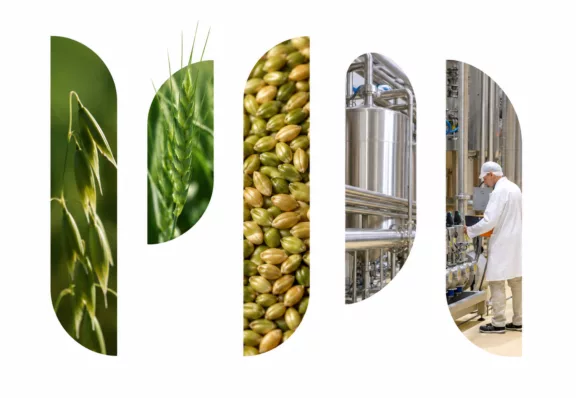
This diversity (rice, oats, spelt, wheat, cassava, corn, millet, malt, dates) allows us to offer ingredients with varied profiles, capable of meeting the specific needs of each formulation.
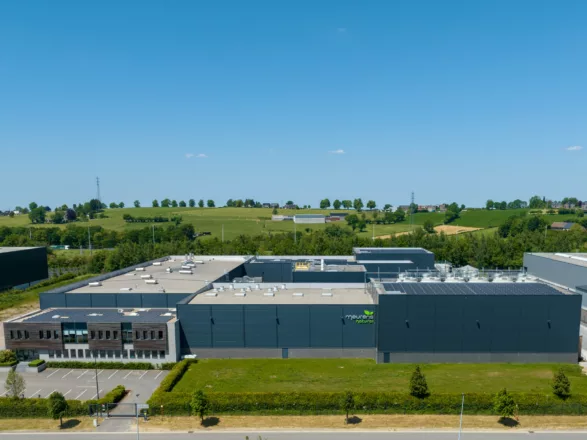
Laboratoire d'analyse Meurens Natural

MECHANICAL FILTRATION

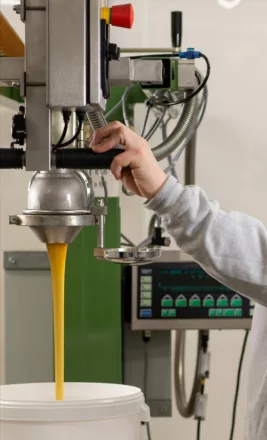
What makes our process unique is the filtration step which separates the juice from the insoluble solids.

This step is carried out exclusively through mechanical filtration without the use of conventional chemical agents or processes such as demineralization.

As a result, we preserve as much of the raw material’s nutrients and distinctive characteristics, including its natural taste and color, as possible.

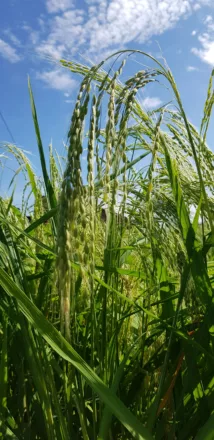
champ de riz en gros plan

Frequently Asked Questions

What is the difference between unrefined cereal syrup and glucose syrup?

A cereal syrup is produced from flour rather than solely from starch, as is the case in conventional glucose production. By avoiding refining and using environmentally friendly processes, the product’s natural benefits are retained. As a result, it helps preserve the cereal’s natural color, minerals, and flavor, and therefore can be labeled as “rice syrup” or “oat syrup” rather than “glucose syrup.”

What types of cereals can Meurens Natural process?

Today, Meurens Natural primarily works with rice, oats, spelt, wheat, millet, corn, and malted barley. Tapioca, made from cassava, and dates round out our product portfolio, even though they are not cereals. However, we are always open to trying to work with new ingredients, so please share your ideas with us.

Is the process the same for the organic and conventional ranges ?

Yes. Sipal® and Natu® both use the same unrefined production process.

Why are our syrups slightly cloudy?

This is a direct result of the unrefined cereals and natural production process. Mechanical filtration is not as invasive as chemical refining, which produces a clear syrup. This slightly cloudy color is visual evidence of the natural production process.

Does the process change what's on the label?

Yes. Without refining or the addition of chemicals, our products can be labeled by the name of the grain used, for example, “rice syrup” or “oat syrup,” rather than by a process name such as “glucose syrup.”

Need a custom technical solution?

Send us your request to receive personalized recommendations from our team.